YouTube Redefines the Living Room Experience by Bringing Interactive Mobile Features to Television Screens

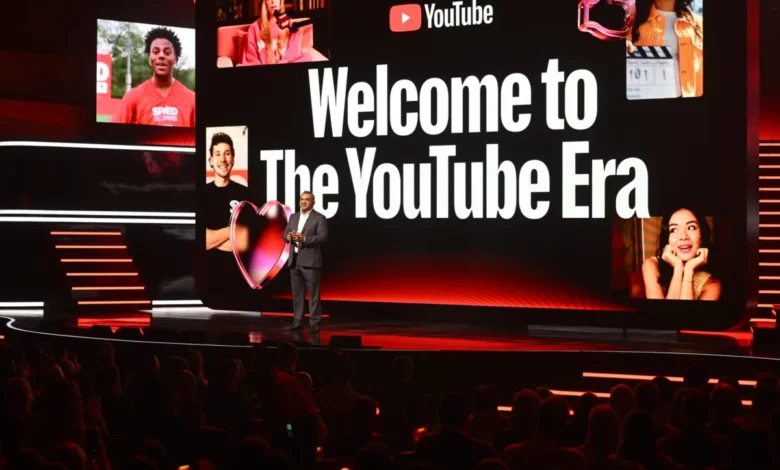
The television has long since surpassed the smartphone and desktop computer as YouTube’s primary viewing screen, yet the technology giant refuses to let the living room remain a static, traditional broadcasting environment. During its annual Made on YouTube event, company leadership unveiled nearly three dozen new product features designed specifically for creators, viewers, and advertisers. This aggressive push into living room interactivity represents a continuation of an unprecedented product rollout cycle, with CEO Neal Mohan reporting that the platform has introduced roughly 3,000 updates over the course of the year.
Among the newly introduced capabilities for television viewers are the ability to post and read comments, view creator "posts"—which consist of still images and text updates shared directly to channel feeds—and seamlessly stream episodic series via YouTube Shorts. These enhancements challenge long-held assumptions about how audiences consume media on large screens, effectively bridging the gap between passive couch viewing and active mobile-style engagement.
Shifting Viewing Habits and the Evolution of the Living Room
For three consecutive years, YouTube has dominated the Nielsen streaming charts, capturing 14.2% of all television viewing in the United States as of July. While the platform’s free, ad-supported model undeniably contributes to its widespread reach, executives emphasize that user engagement and platform flexibility are the primary drivers behind its sustained market leadership.
The traditional division between active mobile engagement and passive television viewing is rapidly dissolving. Kurt Wilms, senior director of product management for YouTube on TV, describes the modern viewer experience not as strictly passive, but rather as a fluid "lean back" state that frequently transitions into active participation.
"Consumption is moving away from being passive, and people want to be engaged," Wilms explained following the New York event. "I wouldn’t call it passive. I would call it, like, lean back. I’m watching it. Something maybe happens in the show. And then I’m like, ‘Oh, well, I want to read the comments, or I want to leave a comment myself, or, wait, what did she just talk about a different video? I wanna go to her channel and see.’ So now, instantly I become a leaned-in viewer. And so I think it flows, ebbs and flows between two. We don’t think of them as a hard line."
This fluid transition between modes has required product developers to rethink interface design for hardware that historically relied on simple directional remotes. Even within YouTube’s internal product teams, early proposals to adapt mobile-centric features for the television met with initial skepticism. Developers frequently questioned whether features designed for vertical screens and touch interfaces belonged on a landscape living room display. However, consumer demand and creator feedback consistently pushed the company to break traditional boundaries.
The Surprising Rise of YouTube Shorts on the Big Screen
Perhaps the most counterintuitive success story in YouTube’s hardware expansion is the rapid adoption of YouTube Shorts in the living room. Initially conceived as a direct competitor to short-form video formats on platforms like TikTok and Instagram, Shorts was widely viewed as a distinctly mobile-first format.
Yet, data from the platform indicates that viewers now consume more than 2 billion hours of Shorts programming on television screens each month. Far from alienating audiences, the big screen has transformed short-form content into a communal activity.
"The first thing everyone was telling me about Shorts on the TV is there was no good way to watch this content with friends or family," Wilms noted. "The TV unlocked communal viewing for Shorts in a way that just wasn’t possible before."
Over the past two years, YouTube has systematically tested and validated content formats that industry traditionalists once deemed unsuitable for television. Gaming video streams, long-form podcasts, and short-form clips have all found massive, engaged audiences on large screens. The inclusion of video comments on TVs followed a similar trajectory of skepticism turned triumph. When initial internal discussions raised doubts about whether users would actually want to read comment sections using a television remote, subsequent user research revealed that comment engagement on TVs rivals that of traditional web browsers.
Consumer Research and the Concept of Viewer Modes
The systematic rollout of these interactive capabilities is deeply rooted in YouTube’s founding ethos, dating back to the platform’s launch in 2005. Company executives frequently reference the site’s origin—specifically the first uploaded video, "Me at the Zoo," and its famously succinct first comment, "Lol"—as a reminder of the platform’s community-driven DNA. Ensuring that the television application did not feel "broken" or stripped down compared to its web and mobile counterparts became a primary engineering mandate.
Rather than categorizing audiences into rigid demographics of active participants versus passive watchers, YouTube’s consumer research points to a more nuanced psychological framework defined by user "modes."
Depending on the time of day, household composition, and personal intent, a single user will shift fluidly between distinct viewing states. During evening hours, a household might utilize YouTube primarily as a home stereo system for music streaming. At other times, parents and children might use the application for shared viewing experiences. Alternatively, a viewer uncertain of what to watch might enter "Shorts mode" to consume rapid, bite-sized entertainment.
"It might be, at night you want to use YouTube on your television as your home stereo and use it for music," Wilms said, illustrating the versatility of the platform. "Another mode might be you’re with your family and your kids, and you want to use YouTube as a way to watch with them. And so another mode that we’ve heard about is, ‘Oh, I don’t know totally what I want to watch, but I want to sit down and kind of get some quick bites, and so I go into this Shorts mode.’"
The Explosion of Microdramas on Television
This appetite for rapid, personalized content has coincided with the explosive growth of microdramas—a booming sector characterized by fast-paced, action-packed narrative episodes designed for quick consumption. Originating largely as a dominant force within the Asian entertainment ecosystem, microdramas have successfully crossed over into Western markets via digital platforms.
The format has achieved staggering metrics on YouTube, accumulating more than 6.5 billion views globally year-to-date. On television screens specifically, microdramas are experiencing a massive 90% year-over-year growth rate, signaling that traditional television audiences are increasingly embracing serialized, bite-sized storytelling during breaks in their daily routines.
Industry analysts view this trend as indicative of a broader shift in consumer attention spans and content packaging. As major studios and independent startup studios alike invest heavily in vertical and short-form episodic production, platforms like YouTube are uniquely positioned to serve as the aggregation hub bridging mobile discovery with living room enjoyment.
Industry Implications and the Future of Connected TV
YouTube’s aggressive feature expansion carries profound implications for the broader television and streaming ecosystem. By successfully blurring the lines between social media interaction and traditional lean-back television, the platform is redefining what constitutes a television network in the twenty-first century.
Traditional linear broadcasters and subscription video-on-demand (SVOD) services have historically maintained strict separations between programming and audience feedback loops. YouTube’s integrated approach—allowing live comments, community posts, and instant channel navigation on the television interface—threatens to make static television viewing feel increasingly obsolete to younger demographics.
Furthermore, the data generated from these cross-platform viewing habits provides advertisers with unprecedented targeting capabilities. Brands can now reach consumers who are not merely watching passive advertisements, but are actively participating in creator-driven ecosystems through comments, likes, and community posts directly from their living rooms.
As YouTube continues to deploy updates at a historic pace, the platform’s overarching strategy remains clear: listen closely to the creator and viewer communities, resist conventional assumptions about hardware limitations, and ensure that every screen—regardless of its size—serves as an active portal to the broader digital world.